Networking Devices
What Are Network Devices?
☑️Network devices are communication tools that enable interaction between hardware components on a computer network.
☑️They facilitate the secure and efficient transmission and reception of data.
☑️They support communication between internet-compatible devices such as fax machines, computers, and printers.
☑️Examples include hubs, routers, bridges, repeaters, switches, gateways, load balancers, and modems.
Functions of Network Devices
Managing Traffic
Devices like routers and firewalls manage traffic flow, block unauthorized connections, and maintain network security.
Device Connectivity
Routers and gateways connect different networks, enable communication between diverse systems, and translate data formats.
Network Segmentation
Devices enable splitting networks into subnets or zones, reducing cyberattack impact and limiting unauthorized lateral movement.
Hubs
A hub is a basic networking device that connects multiple devices in a LAN and broadcasts incoming data to all connected ports.
☑️Sends data to all ports regardless of destination.
☑️Simple, low-cost device.
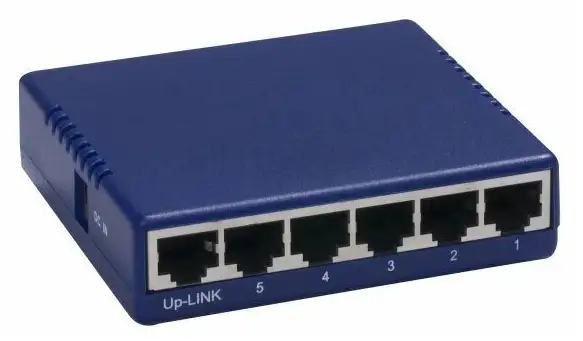
Hubs
A hub is a basic networking device that connects multiple devices in a LAN and broadcasts incoming data to all connected ports.
☑️Sends data to all ports regardless of destination.
☑️Simple, low-cost device.